Categories
ABCs Series Education Fact Sheets

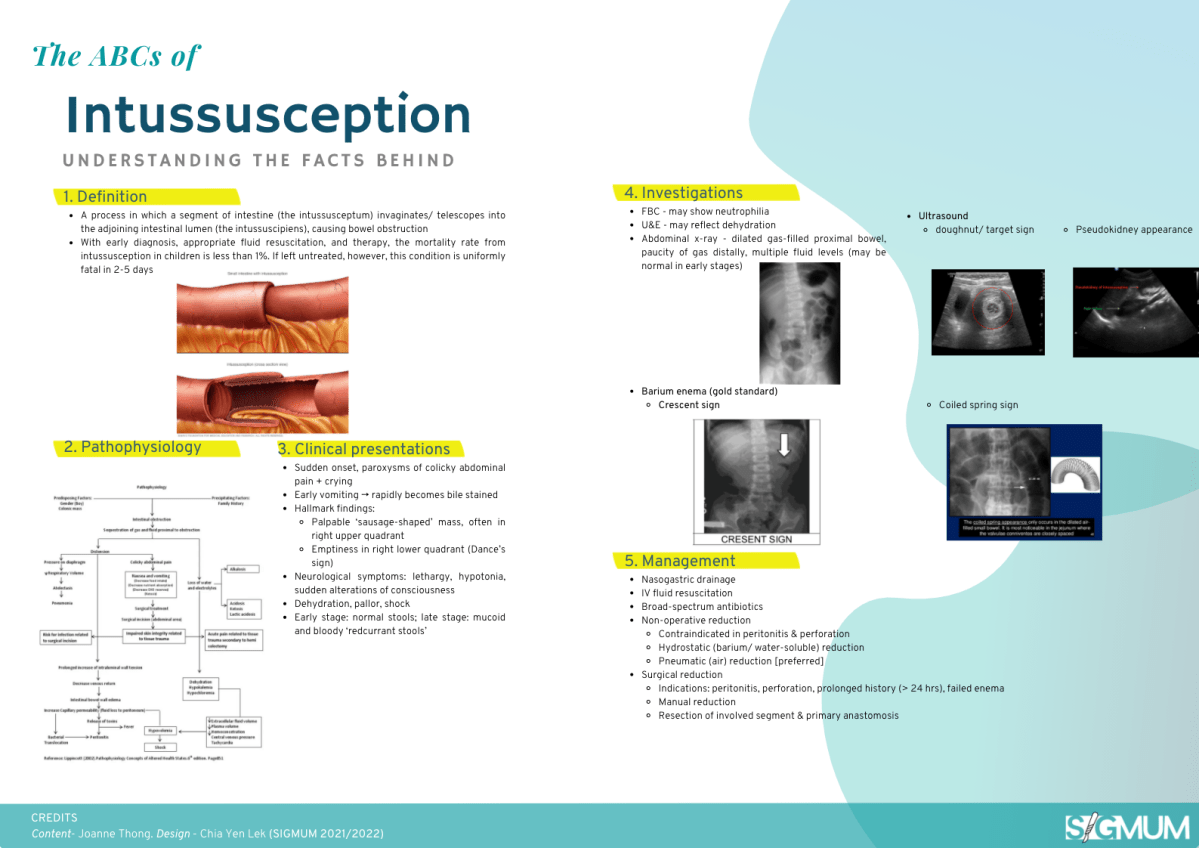
ABCs of: Intussusception

Intussusception is the process in which a segment of intestine (the intussusceptum) invaginates/ telescopes into
the adjoining intestinal lumen (the intussuscipiens), causing bowel obstruction.

Categories
Education Fact Sheets

Common Surgical Instruments

We have compiled a handy three-part guide summarizing the most frequently used surgical instruments.

Categories
ABCs Series Education Fact Sheets

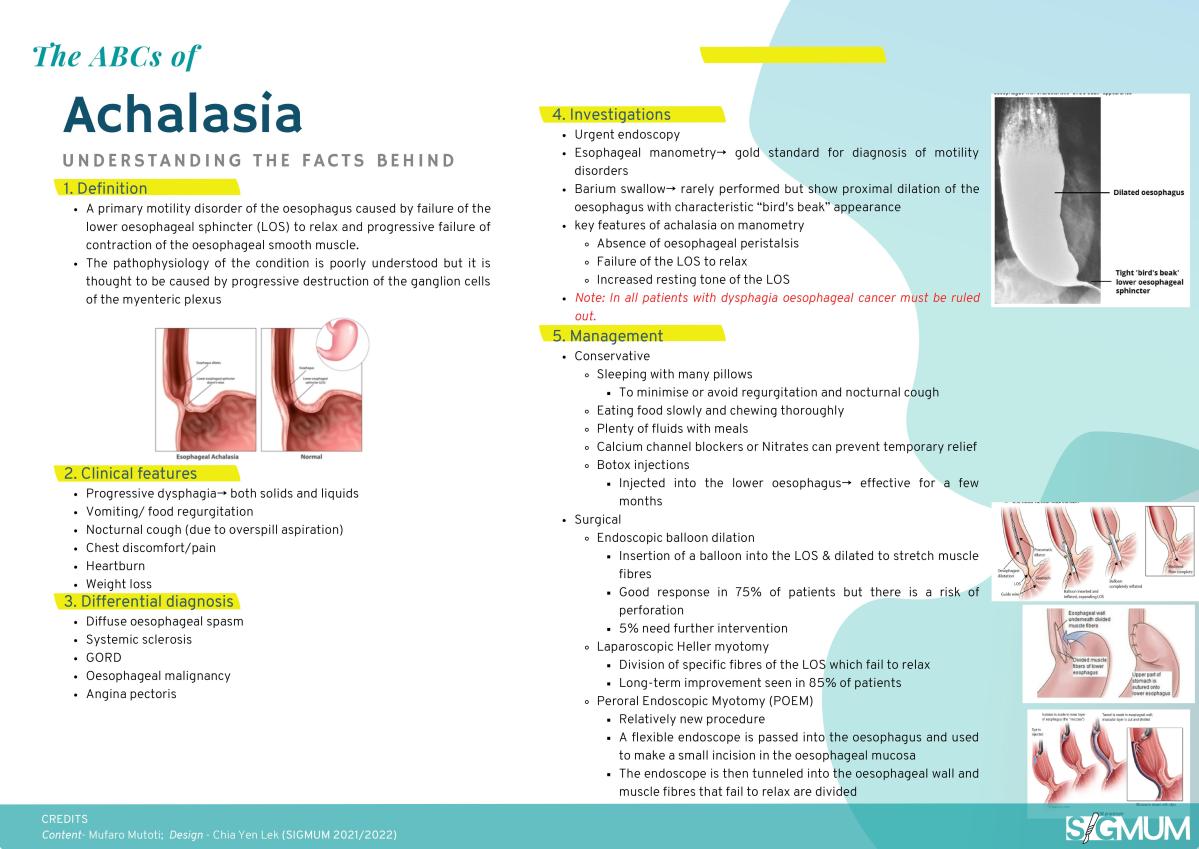
ABCs of: Achalasia

Achalasia is a primary motility disorder of the oesophagus.

Categories
ABCs Series Education Fact Sheets

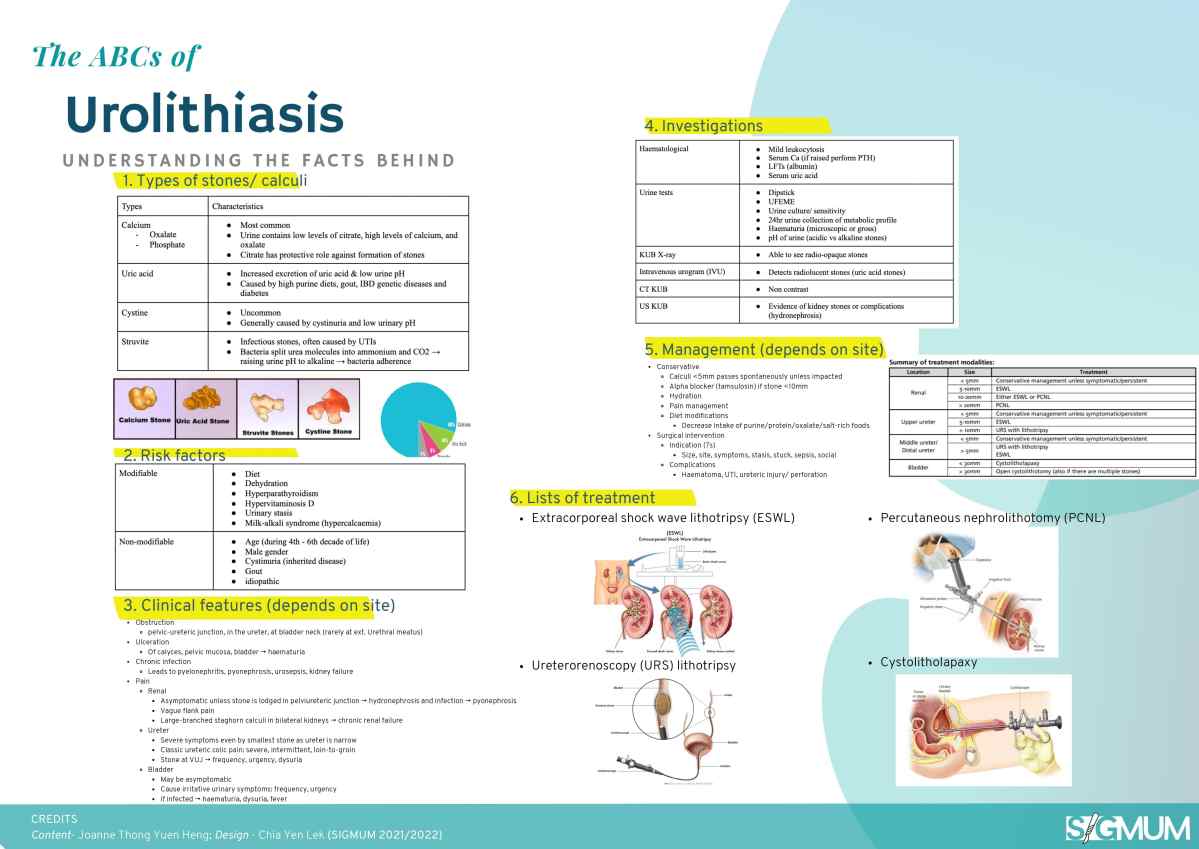
ABCs of: Urolithiasis

Urolithiasis is a term used to describe the formation of calcifications (AKA stones or calculi) in the urinary tract.

Categories
ABCs Series Education Fact Sheets

ABCs of: Pituitary Adenoma

Pituitary adenomas are benign tumors of the pituitary gland that
account for 8-10% of intracranial tumours.

Categories
ABCs Series Education Fact Sheets

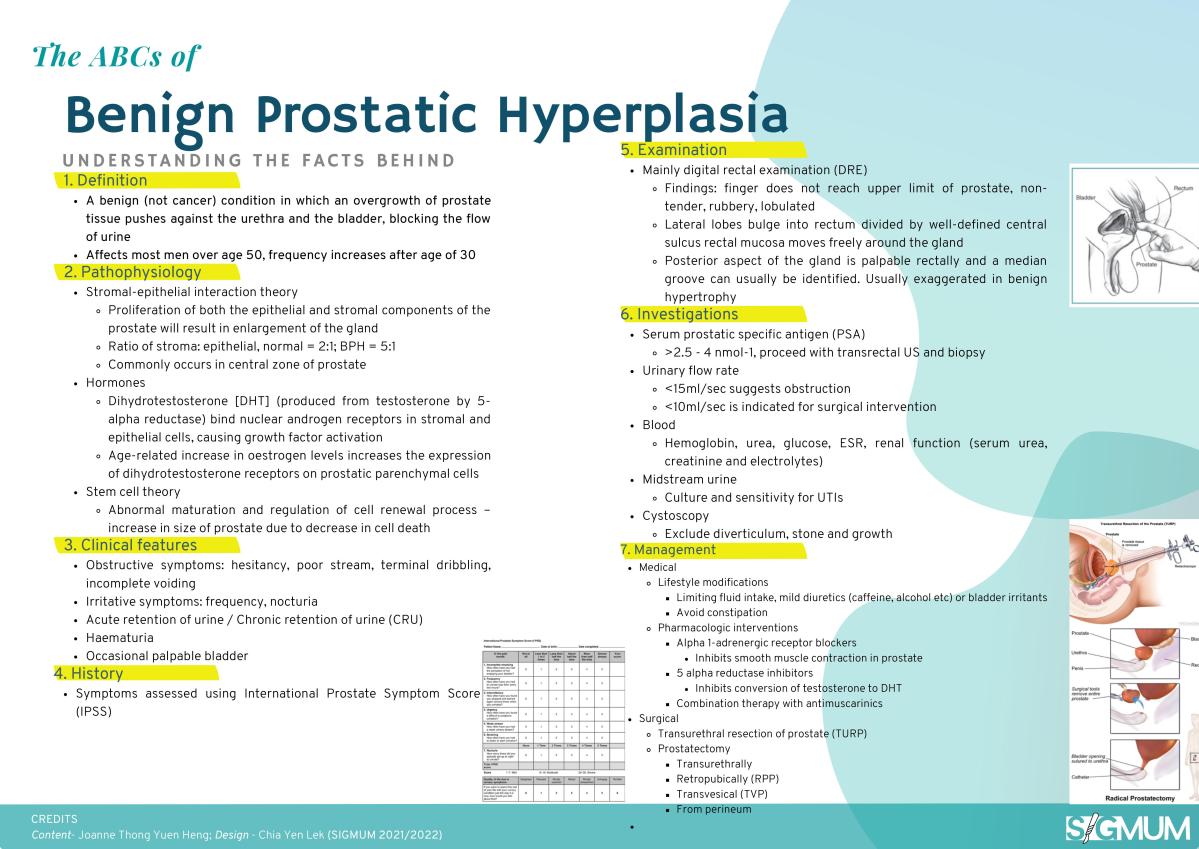
ABCs of: Benign Prostatic Hyperplasia

This non-cancerous condition is characterized by an overgrowth of prostate tissue and the presence of urinary symptoms, mostly in men aged 50 years or older.

Categories
Education Fact Sheets

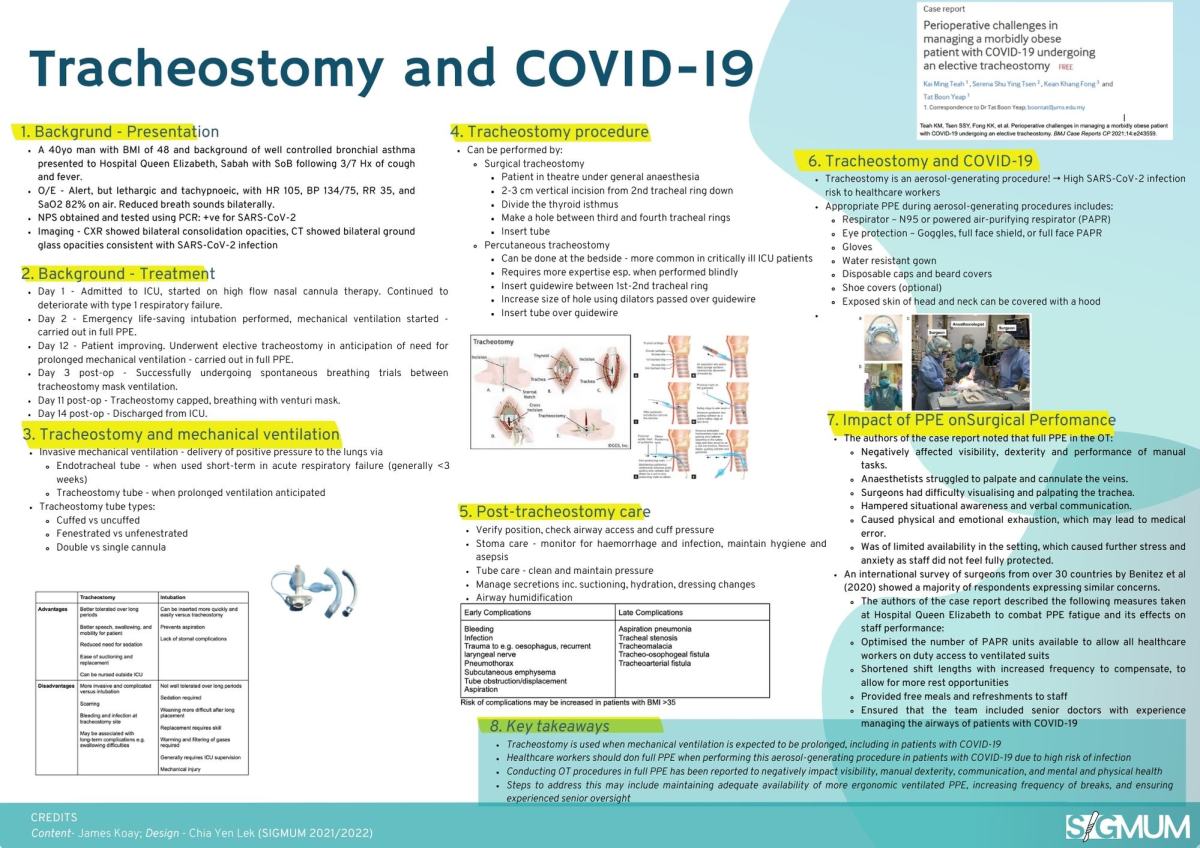
Tracheostomy & COVID-19

A tracheostomy is done when mechanical ventilation is expected to be prolonged. This procedure now brings about new challenges when managing patients with COVID-19.

Categories
ABCs Series Education Fact Sheets

ABCs of: Peptic Ulcer Disease

With an incidence of roughly 0.1-0.2% of the population per year, a peptic ulcer is a break in the lining of the gastrointestinal tract, extending through to the muscular layer of the bowel wall.

Categories
ABCs Series Education Fact Sheets

ABCs of: Head Trauma Assessment

Head trauma is any trauma to the head; with or without injury to the brain. Traumatic brain injury (TBI) causes disruption to the structure and function of the brain as a result of head impact or external forces.

Categories
ABCs Series Education Fact Sheets

ABCs of: Thyroid Cancer

Thyroid lumps are a common presentation occurring in up to 5% of the population; only a small
percentage of these are cancerous.